
In today’s green-minded world, reusable water bottles are all the rage. They’re great for the environment, last a long time, and are super easy to recycle. Among all the different kinds, metal water bottles, especially stainless steel ones, are really popular. They keep our drinks hot or cold for hours and they look sleek and stylish.
You might have noticed that a lot of these reusable metal water bottles are labeled “made in China.” Even big-name brands have set up shop there to tap into China’s advanced manufacturing and supply chain expertise. As a buyer or a bulk purchaser, you’ve probably stumbled upon Chinese manufacturers offering reusable metal water bottles at amazing prices. But here’s the question: Are those reusable metal water bottles from China really safe to use? Don’t worry, we’ve got you covered. This article will dig into the details, from the manufacturing process to quality checks, and even the safety standards these reusable metal water bottles meet. So you can make a smart and confident choice when it comes to picking out reusable drink bottles for your own business!
1. What are reusable metal water bottles made from?
Reusable metal water bottles are often crafted from top-notch materials like stainless steel or titanium alloy. These metals are chosen because they’re super tough, last a long time, and don’t rust easily. Titanium alloy is especially cool because it’s strong yet lightweight. It can handle heat and corrosion really well, making it a great choice for insulated water bottles. Titanium bottles are lighter than stainless steel ones, but they usually cost more.
But when it comes to reusable water bottles, stainless steel is still the go-to choice for most customers. You can see that it’s everywhere! And, as a drinking vessel, the material customers choose is super important for their health and drinking experience. So they would pay more attention on the safety of these water jugs. Among the stainless steel options, 304 and 316 are the most common. Now, let’s break down the difference between 304 and 316 stainless steel. 304 stainless steel is a real workhorse. It doesn’t rust easily and can handle high temperatures, so it’s perfect for kitchenware and cutlery. It’s also a great choice for reusable metal water bottles because it’s affordable and reliable. On the other hand, 316 stainless steel is like the upgraded version of 304. It has even better corrosion and acid resistance because it has more molybdenum. That’s why it’s often used in specialized equipment and marine engineering. If you’re looking for creating a reusable metal water bottle that can handle anything, including storing acidic or alkaline liquids, 316 stainless steel is the way to go.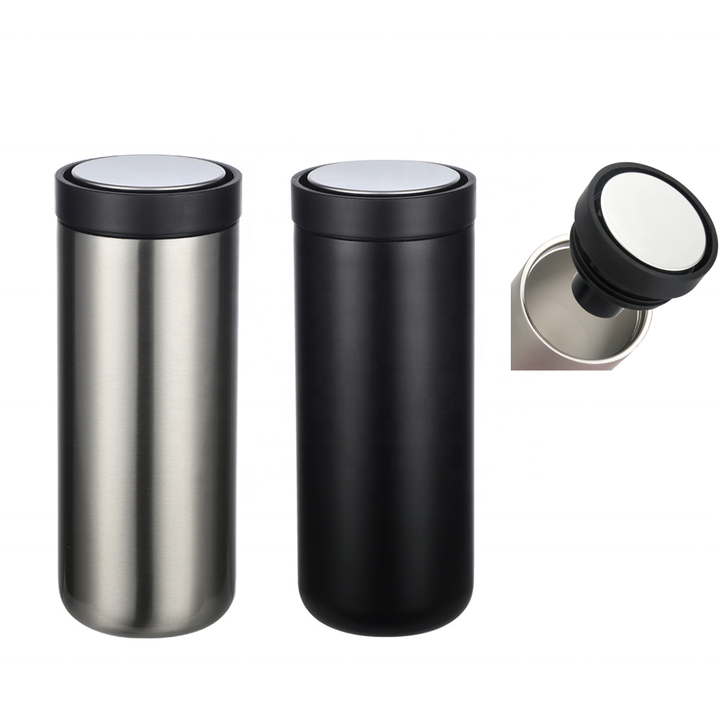
2. What are the safety concerns for reusable metal water bottles from China?
When it comes to purchasing water jugs in bulk or starting a water bottle brand, China has tons of manufacturers to choose from for you. But with so many options, understanding the safety of metal water bottles made there is really important. Here’s what you should keep an eye on for better understanding customers’ concerns while selecting drink bottles:
Heavy Metals: The excessive presence of heavy metals in reusable metal water bottles is a significant safety concern for many customers. Long-term intake of heavy metals such as lead, cadmium, manganese, and nickel can cause severe damage to human health, including impairments to the nervous system and cardiovascular system. Hence, when purchasing or producing, it is essential to ensure that reusable water jugs like stainless steel water bottles undergo strict quality control, with their heavy metal content conforming to relevant standards.
Material Selection: Stainless steel is the primary material for metal water bottles, but different types of stainless steel vary in performance and safety. 304 and 316 stainless steel are common choices for food contact safety as we mentioned earlier, offering excellent corrosion resistance and high-temperature performance. As buyers or brand sellers, you should ensure that suppliers use these quality materials and avoid low-quality or substandard stainless steel while manufacturing water jugs.
Manufacturing Process: The control of the manufacturing process is equally crucial for the safety of metal water bottles. Improper welding, polishing, or other processing can result in defects such as sharp edges and burrs on the metal surface, which may cause harm during use. Therefore, when selecting suppliers to buy wholesale reusable water bottles, you should pay attention to their manufacturing process and quality control system to ensure the stability and reliability of product quality.
Coatings and Surface Treatments: To enhance aesthetics or functionality, some metal water bottles undergo coating or other surface treatments. However, if the coating or treatment materials contain harmful substances or are prone to peeling off during use, these metal water jugs may pose potential health risks. Therefore, when purchasing or producing, you should ensure that the coating and surface treatment materials comply with relevant standards and undergo rigorous quality testing. Click and read more: Wholesale Water Bottle Manufacturer/Supplier In China
3. Are metal water bottles from China safe?
For water bottle buyers or budding starters wanting to have their own brands, making sure the reusable metal water bottles safe is super important. The question arises: how can one ensure the safety of reusable metal water bottles when purchasing them in China? The most direct approach is to verify if the bulk-purchased bottles have undergone a series of rigorous safety tests and certifications to ensure compliance with international safety standards, such as FDA (Food and Drug Administration) and LFGB (German Law on Food and Consumer Goods Safety).
Checking for FDA Certification
FDA, the Food and Drug Administration, is responsible for ensuring the safety, effectiveness, and hygiene of products such as food, drugs, cosmetics, and medical devices. For food contact materials, including metal water bottles, FDA has stringent requirements.
- Material Composition: The material of the metal water bottle should not contain harmful chemicals to humans, such as heavy metals or plastics.
- Manufacturing Process: The production process should ensure that the product is not contaminated and complies with FDA’s manufacturing regulations.
- Performance: The metal water jugs should have good performance, such as resistance to pressure and impact, to ensure it does not break or deform during use.
Confirming LFGB Certification
LFGB certification, also known as the “knife and fork symbol,” represents a product’s compliance with German laws on food and consumer goods safety. It indicates that the product has passed LFGB inspections and meets safety standards for food contact.
- Migration and Release: Tests are conducted to determine if the metal water bottle releases harmful substances during use.
- Heavy Metals and Harmful Substances: Strict limits are placed on the content of heavy metals and other harmful substances in the product.
- Other Criteria:Includes sensory evaluation of the material, odor and taste transfer, among other aspects.
Besides LFGB and FDB certifications, you should also not neglect the following key aspects while purchasing safe reusable metal water bottles in bulk:
Selecting Reliable Suppliers
- Supplier Credibility:Choose metal drinkware suppliers with a solid reputation and years of production experience to minimize procurement risks.
- Quality Control System:Ensure that the supplier has a comprehensive quality control system that conducts rigorous quality inspections on their metal water jugs.
Product Inspection and Testing
- Batch Inspection: Conduct quality inspections on every batch of reusable metal water bottles purchased to ensure they meet relevant standards and requirements.
- Performance Testing: Test the metal drink bottles’resistance to pressure, impact, and other factors to ensure they are safe and reliable in actual use.


 English
 German
 French
 Russian
 Spanish
 Japanese
 Korean
 Portuguese
 Ukrainian
 Arabic
 Italian


