
Premium Insulated Drinkware Materials: Pros and Cons of Common Choices
When it comes to premium insulated drinkware—whether it’s a sleek tumbler for your morning coffee, a rugged flask for outdoor adventures, or an elegant bottle for hydration—the material plays a crucial role in performance, durability, and even taste. Let’s dive into the most popular materials used in high - end insulated drinkware, along with their advantages and drawbacks.
1. Stainless Steel (304 & 316 Stainless Steel)
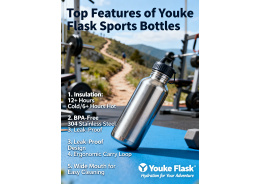
Stainless steel dominates the premium insulated drinkware market, and for good reason. Brands like those featured on Youke Flask often prioritize stainless steel for its unbeatable combination of strength and insulation.
Pros:
- Exceptional Insulation: Stainless steel (especially with double - wall vacuum insulation) keeps drinks hot for hours (e.g., 6 - 12+ hours) and cold for even longer (12 - 24+ hours). The vacuum layer between walls prevents heat transfer, so your iced tea stays frosty or your espresso stays piping hot.
- Durability & Impact Resistance: It’s nearly indestructible—resistant to dents, scratches, and corrosion. Perfect for outdoor use, commuting, or clumsy hands!
- Non - Reactive & Tasteless: High - grade stainless steel (304 or 316) won’t leach chemicals or alter the flavor of your drink. Coffee tastes like coffee, and water stays pure.
- Easy to Clean: Most stainless steel drinkware is dishwasher - safe (check the brand’s instructions) and resists stains and odors.
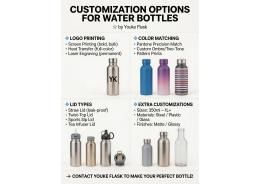
- Customization & Style: Easy to powder - coat, engrave, or finish with sleek designs, making it a favorite for personalized or branded drinkware.
Cons:
- Weight: Stainless steel drinkware can be heavier than options like plastic or glass, which might be a drawback for ultra - light travel.
- Cost: High - grade stainless steel (especially 316, used in marine or medical applications) adds to the price tag. Premium models are an investment.
- Heat Transfer to Exterior (Without Insulation): A single - wall stainless steel cup will get hot (or cold) to the touch, though most premium options use double - wall vacuum insulation to solve this.
2. Glass
Glass is a classic choice for those who prioritize purity of taste and a more eco - friendly, non - toxic option.
Pros:
- Neutral Taste: Glass doesn’t absorb flavors or odors, so your water, tea, or juice tastes exactly as intended—no metallic or plastic aftertaste.
- Non - Toxic & Eco - Friendly: It’s 100% recyclable, free from BPA, phthalates, and other chemicals. Perfect for health - conscious users.
- Aesthetic Appeal: Glass has a sleek, premium look, and it’s easy to see the color of your drink (great for layered beverages or monitoring hydration).
Cons:
- Fragility: Glass is prone to cracking or shattering if dropped, making it less ideal for active lifestyles or outdoor use.
- Insulation Limitations: Glass itself has poor insulating properties. Most “insulated” glass drinkware uses a stainless steel or plastic outer layer to add insulation, which can reduce the “pure glass” feel.
- Weight: Glass is heavier than plastic and even some stainless steel, which can be cumbersome for daily carry.
3. Ceramic
Ceramic - lined drinkware is a niche but beloved choice, especially for coffee and tea enthusiasts.
Pros:
- Superior Heat Retention for Hot Drinks: Ceramic has natural insulating properties and retains heat exceptionally well, keeping your coffee or tea warmer for longer than some metals.
- Neutral Taste & Odor Resistance: Like glass, ceramic doesn’t interact with flavors, so your drink’s taste remains unaltered.
- Customizable Aesthetics: Ceramic can be glazed or decorated with unique designs, adding a touch of artistry to your drinkware.
Cons:
- Fragility: Ceramic liners (or fully ceramic vessels) are brittle and can chip or crack if dropped, limiting durability.
- Weight & Bulk: Ceramic - based drinkware is often heavier and bulkier than stainless steel or plastic, making it less portable.
- Limited Availability: Fewer brands specialize in ceramic - insulated drinkware, so options are more limited compared to stainless steel or glass.
4. Plastic (BPA - Free, Tritan, etc.)
Plastic drinkware has evolved—modern “premium” options use advanced, safe polymers.
Pros:
- Lightweight & Portable: Plastic is the lightest option, ideal for kids, gym bags, or anyone who prioritizes portability.
- Affordable: Even premium plastic drinkware is generally cheaper than stainless steel or ceramic - lined alternatives.
- Durability (in Some Forms): High - quality plastics like Tritan or polypropylene are shatter - resistant and can withstand daily use (though not as rugged as stainless steel).
Cons:
- Insulation Challenges: Plastic has poor natural insulation. Most insulated plastic drinkware uses a foam or air - filled layer, which is less effective than vacuum - insulated stainless steel.
- Taste & Odor Retention: Over time, plastic can absorb flavors (especially strong ones like coffee or juice), affecting taste. Even BPA - free plastics may degrade with heat or repeated use.
- Environmental Concerns: While recyclable, plastic production and disposal have environmental impacts. Single - use plastic is a problem, but reusable plastic drinkware is a better alternative.
5. Copper
Copper is a luxury material used in high - end insulated drinkware, often as a lining or core.
Pros:
- Ultimate Heat/Cold Retention: Copper has the highest thermal conductivity of any metal, which (when used in vacuum - insulated systems) creates unmatched insulation. Drinks stay hot or cold for extreme durations (e.g., 24+ hours for cold drinks).
- Luxury Aesthetic: Copper has a rich, premium look that’s associated with sophistication (think Moscow mule mugs, but in insulated form).
Cons:
- Cost: Copper is expensive, so drinkware with copper liners or cores is among the priciest options.
- Maintenance: Copper can tarnish (develop a patina) over time, requiring polishing or special care to maintain its shine.
- Weight: Like stainless steel, copper - based drinkware is heavy, which can be a drawback for daily carry.
Choosing the Right Material for You
Your ideal insulated drinkware material depends on your priorities:
- For durability, outdoor use, and top - tier insulation: Choose stainless steel (304 or 316) with vacuum insulation.
- For pure taste, eco - friendliness, and a “clean” feel: Opt for glass (with a protective outer layer if you need insulation).
- For artisanal style and superior hot - drink retention: Try ceramic - lined drinkware.
- For lightweight portability and budget - friendliness: Go with high - quality BPA - free plastic.
- For luxury and extreme insulation: Invest in copper - lined drinkware.
Brands like Youke Flask (explore their collection at https://www.youkeflask.com/) showcase how material science and design combine to create drinkware that balances performance, style, and sustainability. By understanding the pros and cons of each material, you can find the perfect insulated companion for your daily routine, adventures, or moments of relaxation.

 English
 German
 French
 Russian
 Spanish
 Japanese
 Korean
 Portuguese
 Ukrainian
 Arabic
 Italian


