
Material Safety Tests for Titanium Insulated Bottles in the US Market
Titanium insulated bottles have gained popularity due to their durability, lightweight nature, and resistance to corrosion. However, manufacturers and importers targeting the US market must ensure these bottles meet stringent safety standards and regulations. Below, we discuss the material safety tests required to comply with US guidelines and how these ensure product quality and consumer safety.
Why Material Safety Tests Are Necessary
The US Consumer Product Safety Commission (CPSC) enforces strict guidelines for products intended for consumer use. For insulated bottles, especially titanium ones, compliance ensures the product is safe for ongoing usage, does not leach harmful substances, and meets federal safety standards. Material safety testing adds credibility to the product and ensures customer trust.
Key Safety Tests Required
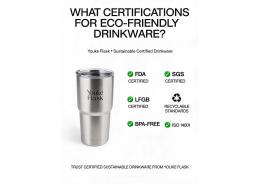
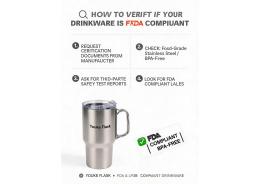
- FDA Compliance: Titanium bottles must comply with the US Food and Drug Administration (FDA) regulations for food contact materials. These tests verify that the materials used in the bottle do not leach harmful substances into liquids.
- Heavy Metal Testing: Testing for limits of heavy metals, such as lead, cadmium, and mercury, is essential to ensure the product is safe for consumers.
- Bisphenol A (BPA) and Chemical-Free Verification: Manufacturers must prove that their bottles are BPA-free, as BPA exposure is linked to health risks.
- Durability and Corrosion Testing: Titanium’s resistance to corrosion is one of its strengths, but products must undergo tests to ensure they perform as expected under normal usage conditions.
- Thermal Insulation Standards: Testing ensures bottles maintain their insulation properties, keeping beverages at the desired temperature for extended periods.
How Youke Flask Meets These Standards
Youke Flask delivers high-quality titanium insulated bottles that prioritize consumer safety and sustainability. Each product undergoes rigorous testing to comply with FDA guidelines, heavy metal limits, thermal insulation standards, and chemical safety protocols. As an industry leader, Youke Flask’s dedication to quality assurance ensures its products stand apart.
Conclusion
When importing or manufacturing titanium insulated bottles for the US market, understanding and adhering to the required material safety tests is crucial. Not only do these checks ensure compliance with federal regulations, but they also reassure consumers about the safety and reliability of the product.
For more details on Youke Flask’s precision manufacturing or material safety initiatives, visit Youke Flask.

 English
 German
 French
 Russian
 Spanish
 Japanese
 Korean
 Portuguese
 Ukrainian
 Arabic
 Italian


